
Slipped Disc Treatment in Ahmedabad
A slipped disc is one of the most common causes of severe back pain, leg pain, numbness, and difficulty performing daily activities. It can affect people of all ages, especially those who spend long hours sitting, lifting heavy objects, or maintaining poor posture. If left untreated, a slipped disc can significantly impact mobility and quality of life.
If you are looking for Slipped disc treatment in Ahmedabad, getting timely diagnosis and the right treatment is essential. Modern pain management techniques can help reduce pain, improve movement, and prevent the condition from worsening without the need for major surgery in many cases. Dr. Umesh Raval provides advanced pain management solutions designed to address the root cause of slipped disc pain and help patients return to their normal lifestyle with improved comfort and mobility.
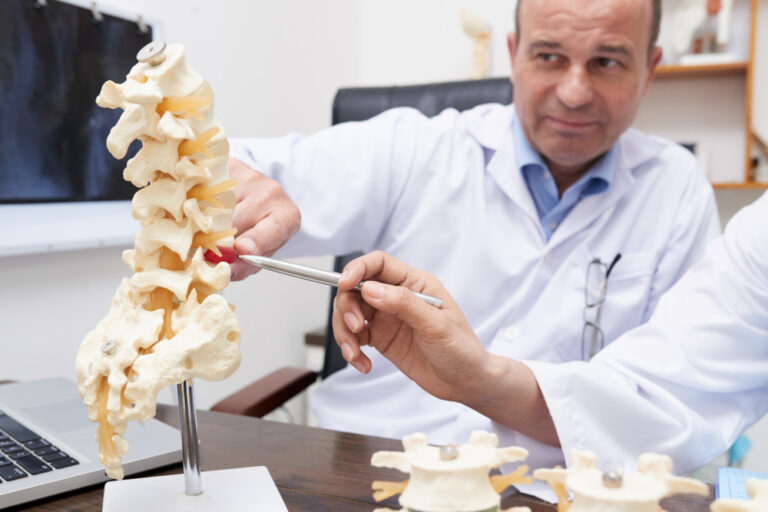
Best Slipped Disc Treatment in Ahmedabad
What Is a Slipped Disc?
The spine consists of a series of bones called vertebrae, separated by soft cushioning discs. These discs act as shock absorbers and allow flexibility of the spine. A slipped disc, also known as a herniated disc or prolapsed disc, occurs when the soft inner portion of the disc pushes through the outer layer.
When the disc bulges or ruptures, it may put pressure on nearby nerves. This pressure can cause pain, numbness, tingling sensations, or weakness in different parts of the body depending on the affected area of the spine. A slipped disc can occur in the neck, upper back, or lower back, although lower back disc problems are the most common.
What Causes a Slipped Disc?
Several factors can contribute to the development of a slipped disc. Age-related wear and tear is one of the leading causes. As people get older, spinal discs gradually lose water content and become less flexible, making them more prone to damage. Poor posture, prolonged sitting, repetitive bending, heavy lifting, obesity, and sudden injuries can also increase the risk. Individuals who perform physically demanding work or lead a sedentary lifestyle are often more vulnerable to spinal disc problems. Genetics may also play a role, as some people naturally have a higher risk of developing disc degeneration.
What Are the Symptoms of a Slipped Disc?
The symptoms of a slipped disc vary depending on the location and severity of the condition. Some people may experience mild discomfort, while others may struggle with severe pain and movement restrictions.
Common symptoms include persistent lower back pain, neck pain, pain radiating into the arms or legs, numbness, tingling sensations, muscle weakness, and difficulty walking or standing for long periods. In some cases, coughing, sneezing, or sudden movements can worsen the pain. Many patients also report difficulty sleeping due to continuous discomfort and stiffness in the affected area.
How Do You Know If Your Back Pain Is Due to a Slipped Disc?
Not every backache indicates a slipped disc. Muscle strain, ligament injuries, arthritis, and other spinal conditions can also cause back pain. However, if your pain radiates down your leg, causes numbness, or is accompanied by weakness, a slipped disc may be the underlying reason. A thorough clinical examination combined with imaging studies such as MRI scans can help accurately identify the affected disc and determine the best treatment approach. Early diagnosis plays a crucial role in preventing long-term nerve damage and improving recovery outcomes.
Why Is Early Treatment Important?
Ignoring slipped disc symptoms can lead to worsening pain and reduced mobility. Over time, continuous nerve compression may result in chronic discomfort and weakness that becomes increasingly difficult to manage. Early intervention helps reduce inflammation, relieve nerve pressure, and improve spinal function. Patients who seek treatment promptly often experience faster recovery and better long-term results compared to those who delay care. Timely treatment also helps reduce dependency on pain medications and lowers the likelihood of requiring invasive surgical procedures.
Advanced Non-Surgical Treatment Options for Slipped Disc
Many patients assume that surgery is the only solution for a slipped disc. However, advances in pain management have made it possible to treat many cases effectively through non-surgical methods. The treatment plan depends on the severity of symptoms, the location of the affected disc, and the patient’s overall health. Modern pain management focuses on reducing inflammation, relieving nerve compression, and restoring function. Medication management, physical rehabilitation, posture correction, lifestyle modifications, and minimally invasive interventional procedures may all play a role in recovery. Targeted pain management techniques can help patients achieve significant relief while minimizing downtime and recovery periods.
When Should You Consult a Specialist?
You should consider consulting a specialist if your pain persists for several weeks, interferes with daily activities, or continues to worsen despite rest and medication. Symptoms such as numbness, tingling, weakness in the limbs, difficulty walking, or radiating pain should never be ignored. These signs may indicate nerve involvement that requires professional evaluation. A consultation allows for a detailed assessment and the development of a personalized treatment plan designed to address your specific condition and goals.
Personalized Care for Long-Term Relief
Every slipped disc case is unique. Factors such as age, occupation, activity level, and the severity of disc damage influence treatment decisions. At this stage, an experienced Slipped disc specialist in Ahmedabad can determine the most effective treatment strategy based on a comprehensive evaluation. Rather than focusing only on symptom relief, the goal is to identify and address the underlying cause of pain. Dr. Umesh Raval follows a patient-centered approach that emphasizes accurate diagnosis, advanced pain management solutions, and long-term recovery strategies to help patients regain confidence in their daily activities.
Can Lifestyle Changes Help Manage a Slipped Disc?
Lifestyle modifications can significantly improve recovery and reduce the risk of future spinal problems. Maintaining proper posture, engaging in appropriate exercises, and avoiding prolonged sitting can help protect the spine. Weight management is also important because excess body weight places additional stress on spinal discs. Regular stretching and strengthening exercises recommended by healthcare professionals can improve spinal stability and flexibility. Patients should also learn safe lifting techniques and make ergonomic adjustments in their workplace to minimize strain on the back. Although lifestyle changes alone may not cure a slipped disc, they are an essential part of a comprehensive treatment plan.
What Makes Modern Pain Management Effective?
Modern pain management techniques focus on treating pain at its source rather than simply masking symptoms. Advanced interventional procedures can target inflamed nerves and affected spinal structures with precision. These minimally invasive treatments often require little downtime and can provide substantial relief for patients struggling with chronic pain. Combined with rehabilitation and preventive care, they form a comprehensive approach that supports both immediate relief and long-term wellness. The objective is to help patients regain mobility, improve function, and return to their normal routine with greater comfort and confidence.
Frequently Asked Questions About Slipped Disc
1. Can a slipped disc heal without surgery?
Yes. Many slipped disc cases can be managed successfully through non-surgical treatments, pain management techniques, physical therapy, and lifestyle modifications. The treatment approach depends on the severity of the condition.
2. How long does recovery take?
Recovery time varies from person to person. Some patients notice improvement within a few weeks, while others may require several months of treatment and rehabilitation.
3. Is walking good for a slipped disc?
In many cases, gentle walking can help improve circulation and support recovery. However, activity levels should always be guided by a healthcare professional.
4. Can a slipped disc return after treatment?
A slipped disc can recur if proper spinal care is not maintained. Following medical advice, maintaining a healthy weight, and practicing good posture can help reduce the risk.
5. When is surgery necessary?
Surgery is generally considered when conservative treatments fail to provide relief or when severe nerve compression causes significant weakness or loss of function.
Choose Trusted Slipped Disc Treatment in Ahmedabad
Living with persistent back pain can affect every aspect of your life, from work performance to sleep quality and overall well-being. If you are experiencing symptoms such as lower back pain, leg pain, numbness, or difficulty moving, it may be time to seek professional care. Early diagnosis and proper treatment can help prevent the condition from worsening and support a faster recovery.
If you are looking for effective Slipped Disc Treatment in Ahmedabad, Dr. Umesh Raval at Vedasya Pain & Spine Center provides advanced, patient-focused pain management solutions designed to reduce discomfort and improve mobility. Our goal is to help you return to your daily routine with confidence and enjoy a better quality of life. Book your consultation today and take the first step toward lasting back pain relief.